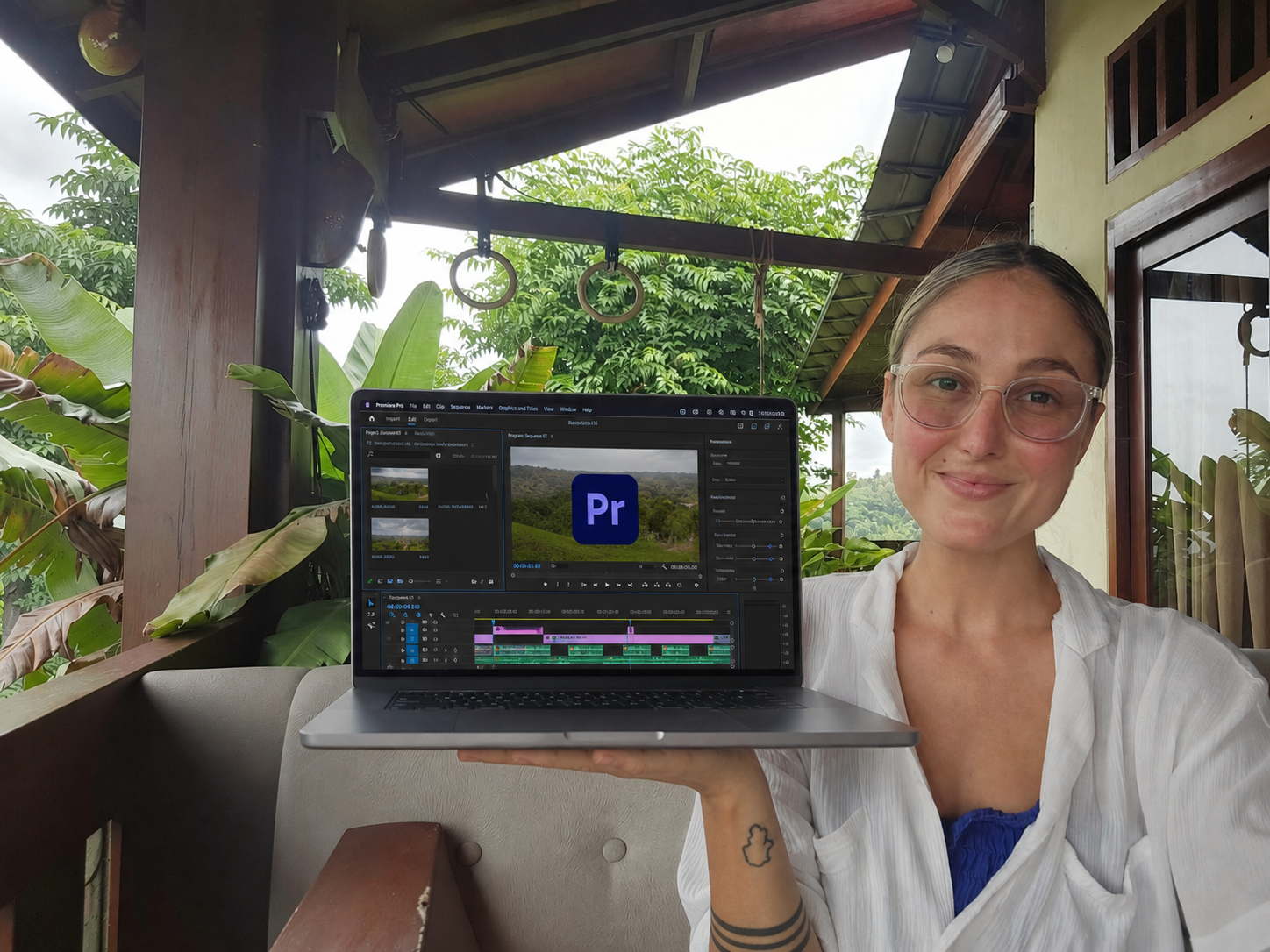
In today’s digital world, video has become one of the most powerful ways for brands and creators to communicate. Audiences are consuming more video content than ever before, and platforms like Instagram, TikTok, YouTube, and LinkedIn have made video the primary way people discover new ideas, products, and businesses. For modern brands, the challenge is no longer whether to use video — it’s how to use it strategically.
Strategic video content is not just about filming attractive visuals or creating something entertaining. It’s about crafting content with purpose. Every video should support a broader goal, whether that goal is increasing brand awareness, educating an audience, building trust, or driving sales. When video is created with a clear strategy, it becomes far more than content; it becomes a powerful communication tool.
Why Video Matters More Than Ever
People process visual information faster than text, which is one reason video performs so well online. A short, well-produced video can explain an idea, demonstrate a product, or tell a story in seconds. This ability to communicate quickly is essential in an online environment where attention spans are short and competition is high.
Video also creates a stronger emotional connection. When audiences can see expressions, hear tone of voice, and experience storytelling through motion and sound, they are more likely to remember the message and engage with the brand behind it.
For businesses and creators alike, video offers an opportunity to bring personality and authenticity into their communication.
The Role of Strategy
Creating video content without strategy often leads to inconsistent messaging and poor results. Strategic video begins with understanding the audience. Who is the content for? What problem does it solve? What message should viewers remember?
Once these questions are answered, content can be developed around clear objectives. For example, short-form videos may focus on attracting attention and building reach, while longer videos might be designed to educate or build deeper trust with an audience.
The format, tone, and platform should all support the overall strategy.
Storytelling as a Competitive Advantage
One of the biggest advantages of video is its ability to tell stories. People naturally connect with stories because they make information relatable and memorable.
Instead of simply promoting a product or service, brands can use video to share their journey, explain their values, highlight customer experiences, or demonstrate how their work creates real impact. This approach builds a stronger relationship between brand and audience.
When storytelling is done well, viewers do not feel like they are watching an advertisement. They feel like they are engaging with something meaningful.
Designing Video for Modern Platforms
Each platform has its own style and audience expectations. Short vertical videos dominate platforms like Instagram Reels and TikTok, where fast-paced content and strong opening moments are essential. On YouTube, longer and more informative content often performs well, while LinkedIn audiences tend to respond to professional insights and brand stories.
Understanding how video behaves on each platform allows creators to design content that feels native and natural to where it appears.
Creativity Meets Performance
The most successful video content combines creativity with performance thinking. Beautiful visuals and compelling editing attract attention, but strategic messaging ensures the video delivers results.
This balance between creative storytelling and measurable impact is what allows video to move beyond simple content creation and become an essential part of a brand’s marketing strategy.
The Future of Brand Communication
As digital platforms continue to evolve, video will remain at the center of how brands communicate. Businesses that invest in thoughtful, well-produced video content will be better positioned to reach their audiences and build lasting relationships.
For modern brands and creators, strategic video is not just a trend. It is a fundamental part of communicating in a visual, fast-moving digital world.
When creativity and strategy come together, video becomes more than content — it becomes a powerful way to share ideas, build trust, and create meaningful connections with audiences.